
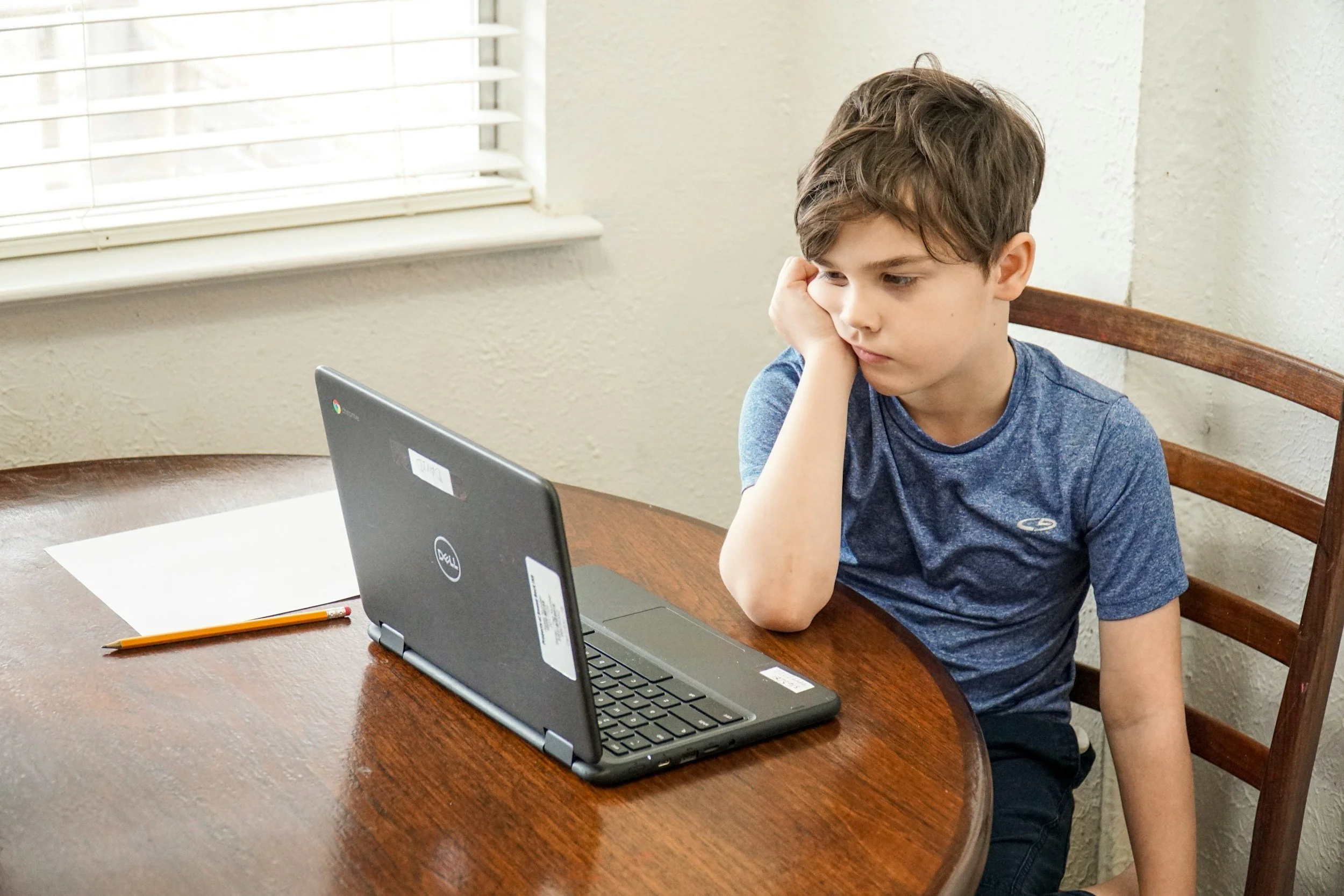
2.2 million children are doing less than 30 minutes of activity a day.
That shows up in wellbeing, confidence and learning - and the children who’d benefit most are often the least likely to access “optional” activity.

The day-to-day reality in primary schools
Teachers describe the same shift: children arriving with bigger feelings, less stamina, and fewer natural chances to move. When a class struggles to settle, it’s not always a behaviour problem - it can be a movement problem.
And in the most pressured communities, the opportunities that used to “just happen” - safe play, space, clubs, time - are often the first to disappear. So the children who would benefit most can end up with the least access.
The scale of the challenge
-
Daily guideline
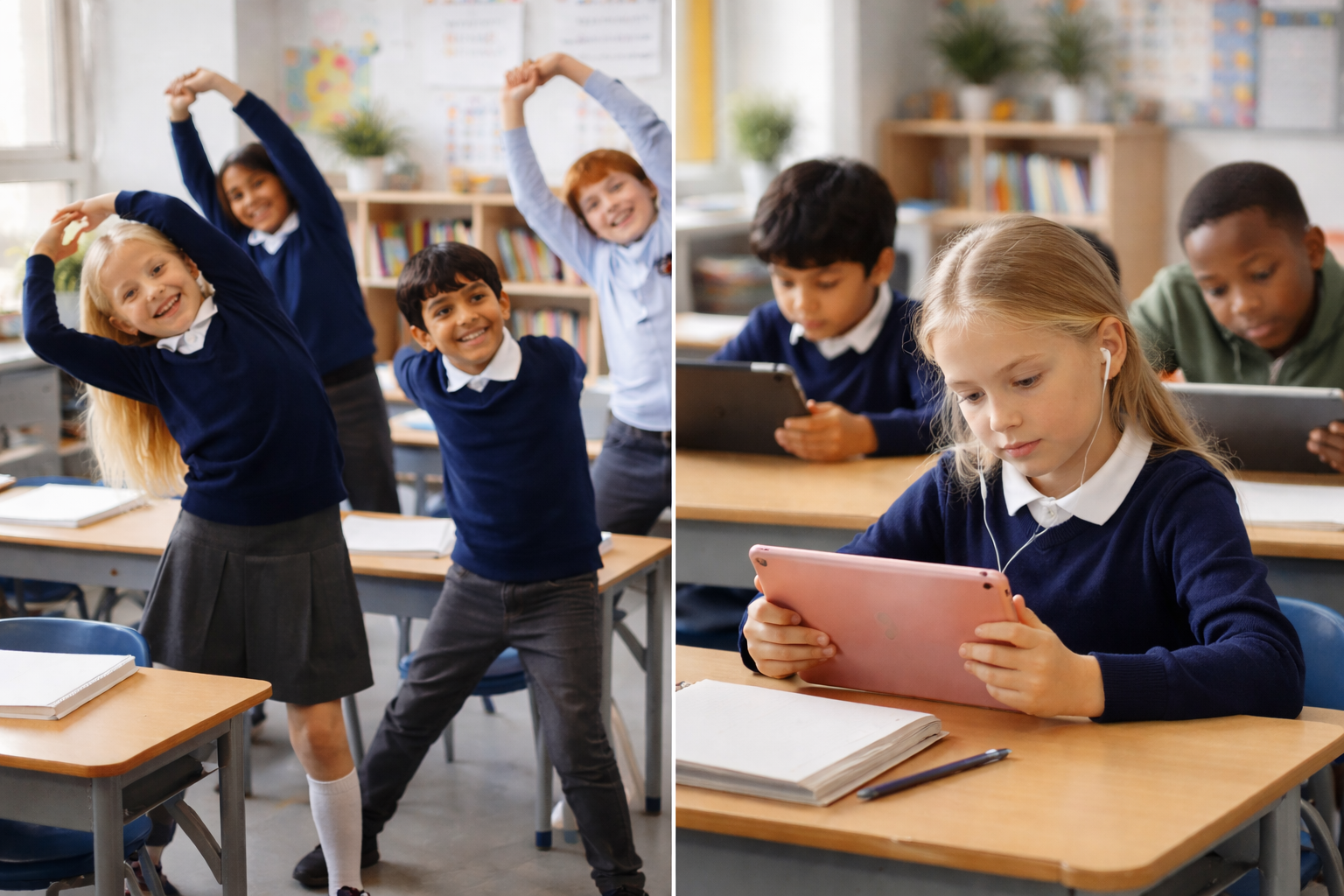
47.8% of children meet the 60-minutes-a-day guideline.
-
Least active children
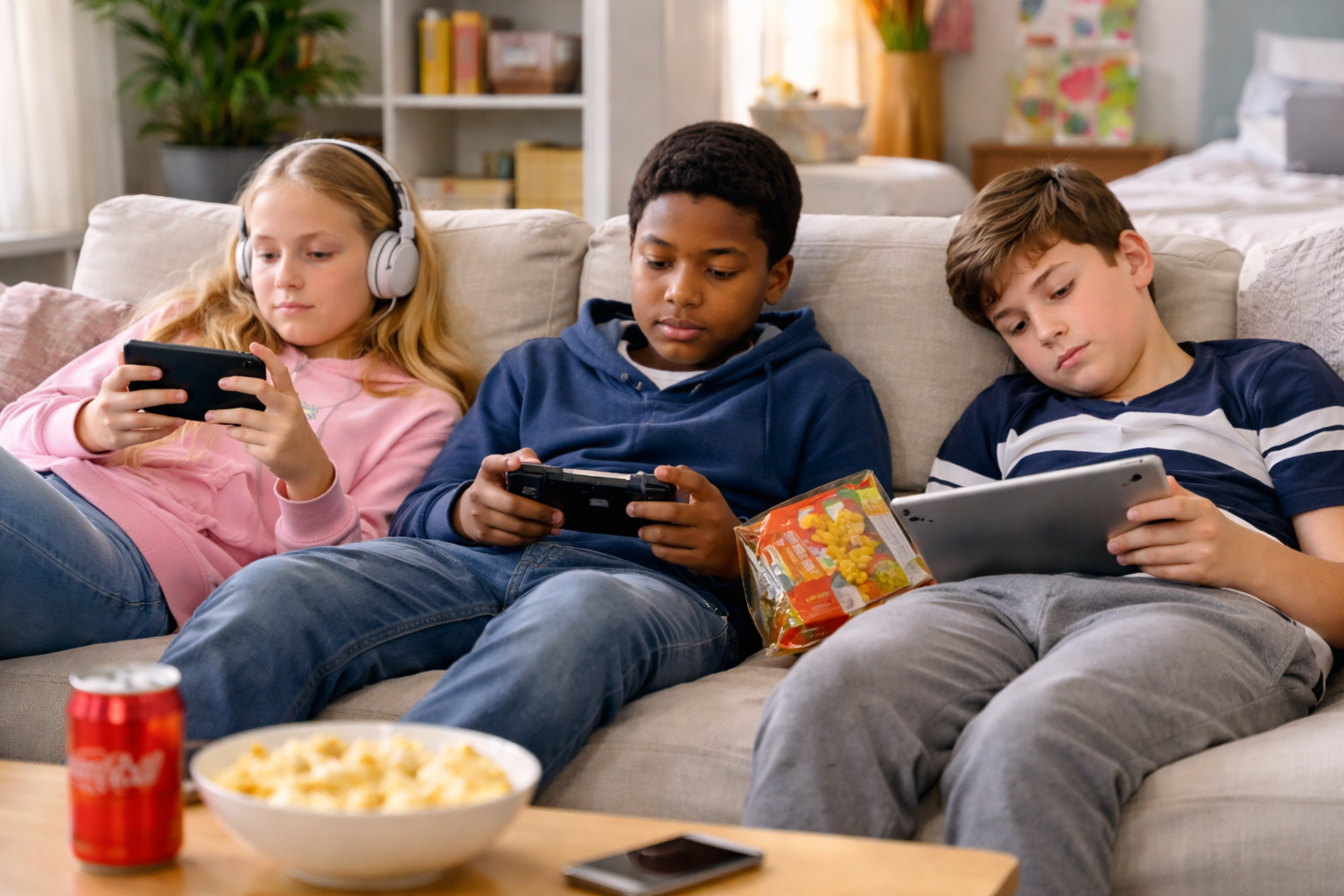
Around 2.2 million children do less than 30 minutes a day.
-

Early health impact
By Year 6, over 1 in 3 children are overweight or obese.
-
Global trend
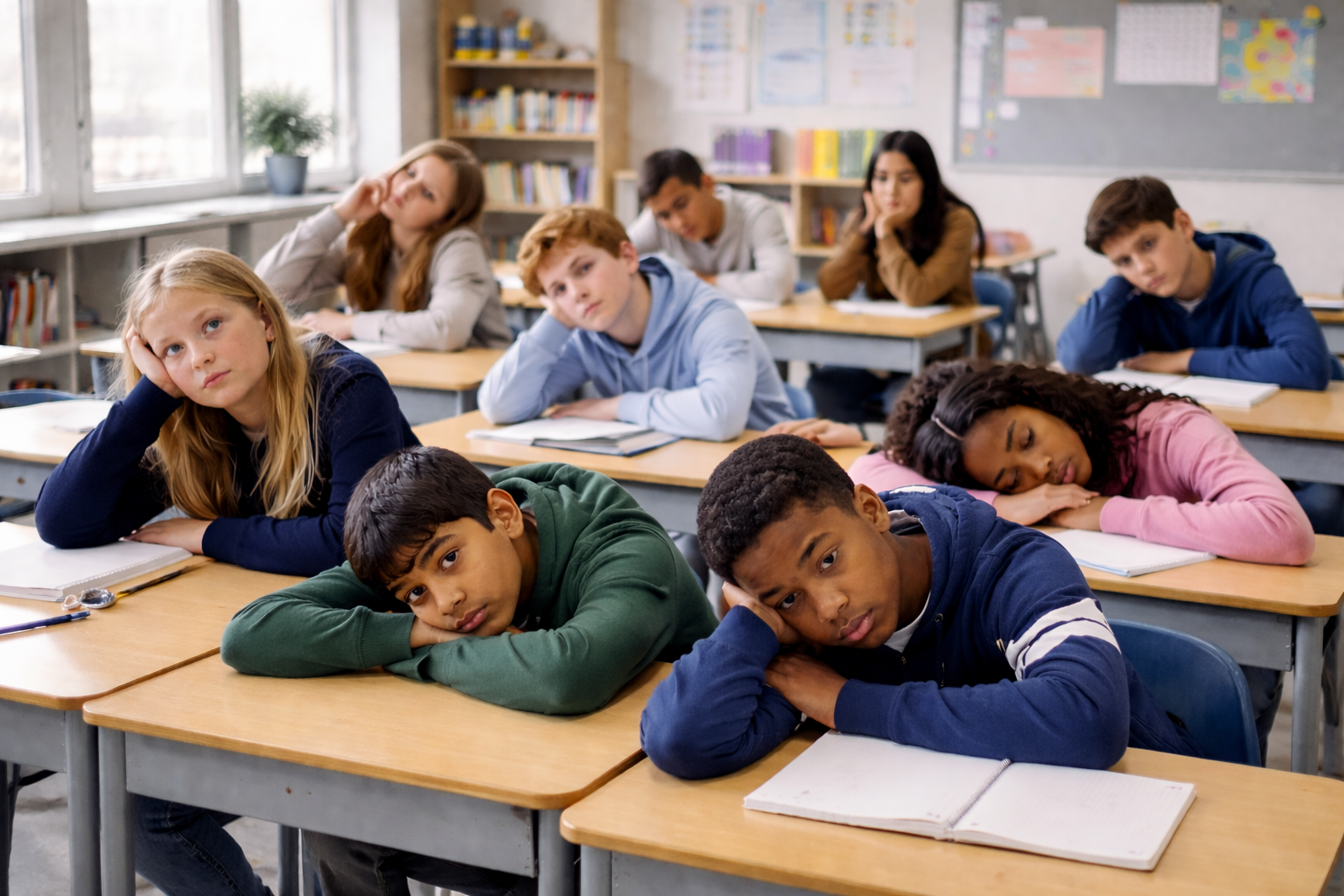
Globally, 81% of adolescents don’t move enough.
Why this matters beyond sport
Movement supports more than physical health. It helps children regulate emotions, build confidence in their bodies, and arrive ready to learn. It helps classrooms feel calmer and more inclusive - especially for children who don’t thrive in traditional sport.
This is why small, repeatable movement moments matter: they don’t sort everything, but they make the day more manageable - and that can change a child’s relationship with school.
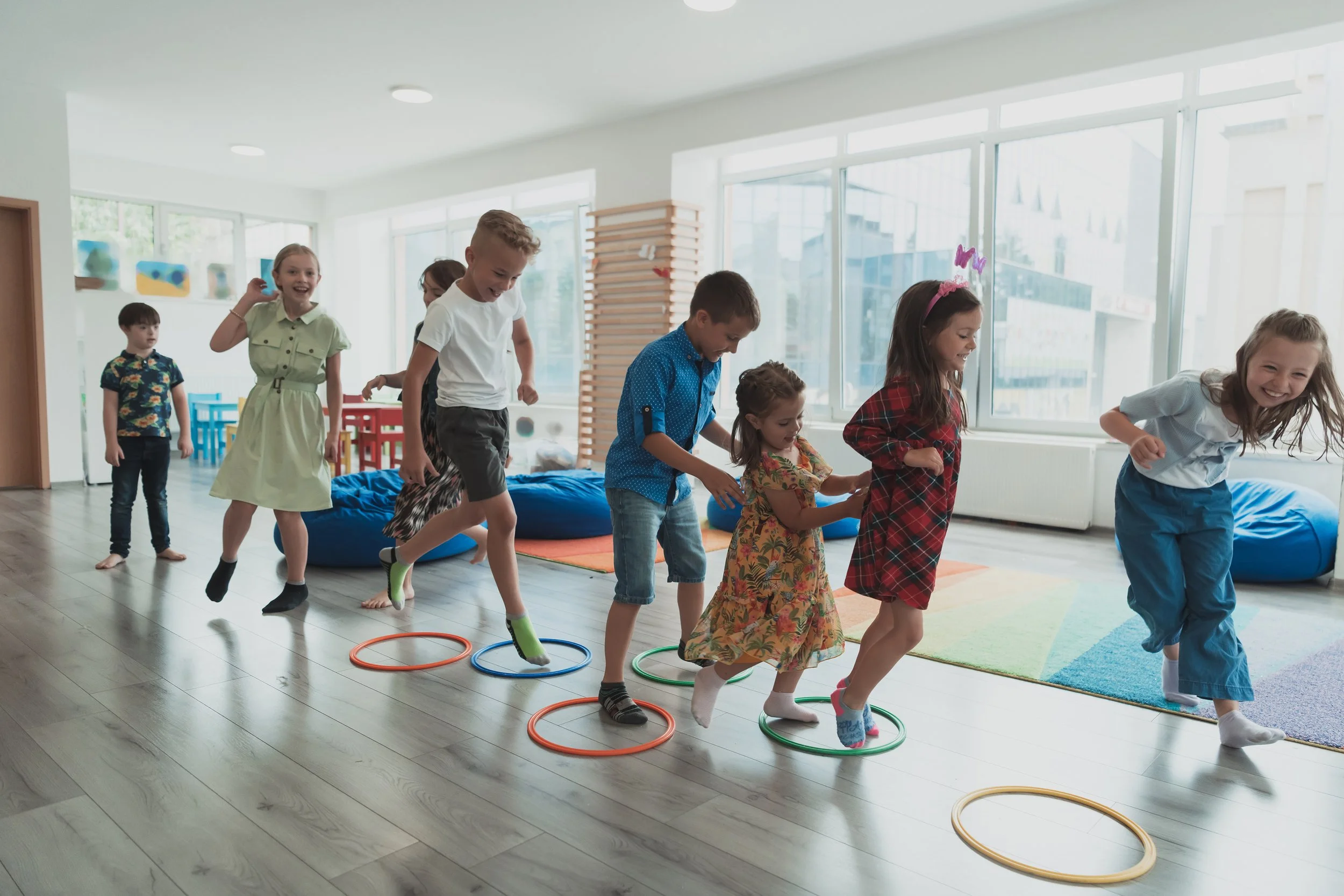

Why schools are the lever — and why it goes beyond school
We start with schools because every child is there, every day - and small routine changes reach more children than one-off programmes. Consistency, not intensity, is what shifts outcomes over time.
But the purpose goes beyond the classroom. When adults around children - teachers, parents, club leaders - have access to trusted tools that don’t add extra burden, movement becomes normal in more places, more often.
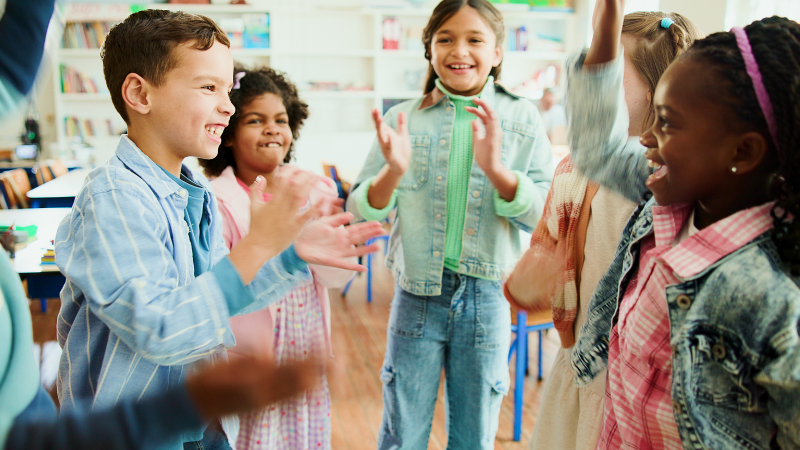
What changes when movement becomes routine
For children, success doesn’t look like a new programme. It looks like school feeling more manageable — every day.
Short movement moments woven into lessons
Better emotional regulation and fewer flashpoints
Quicker settling and longer stretches of focus
These changes are modest in isolation. Repeated daily, across many classrooms, they compound.
If this matters to you, start with a short briefing
We work with partners who want serious national, regional, or community impact - and who care about practical implementation, not short-term activity.