

If we all care about children moving more… why is it so hard to make it happen at scale?
Because the challenge isn’t awareness - it’s making daily movement doable, repeatable, and normal in real life.
Why we exist.
So many brilliant people are doing brilliant things - clubs, parks, community programmes, pilots and campaigns. And yet we keep hitting the same wall: children still aren’t active enough, and the children who would benefit most are often the ones least likely to access “optional” activity.
Cost, transport, confidence, parental time, availability and postcode quietly decide who gets to move.
Across the UK (and globally), the challenge is often not a lack of initiatives - it’s implementation. Too many well-meaning programmes create a short burst of activity, but they aren’t designed around the people who must make them happen every day: teachers, school staff, community leaders and parents. If it’s hard to deliver, hard to repeat, or relies on extra time and energy, it fades - and the inequality gap grows.
So we started with a different question: what would it take for movement to become routine?

We’ve been trying to solve a daily problem with occasional solutions.
Daily change needs daily support.
Start where the reach is
We kept coming back to the one place where almost every child already is, almost every day: school.
School is more than where learning happens - it’s where habits are formed. It’s also the closest thing we have to an “equity engine”: the setting that reaches children regardless of background, family circumstance, or where they live.
The opportunity isn’t complicated. There are moments throughout the day - transitions, routines, short breaks, lesson structures - that can become movement without creating extra burden. And when movement becomes routine, impact compounds.
But routines don’t stick just because they’re a good idea. They stick when the conditions are right.
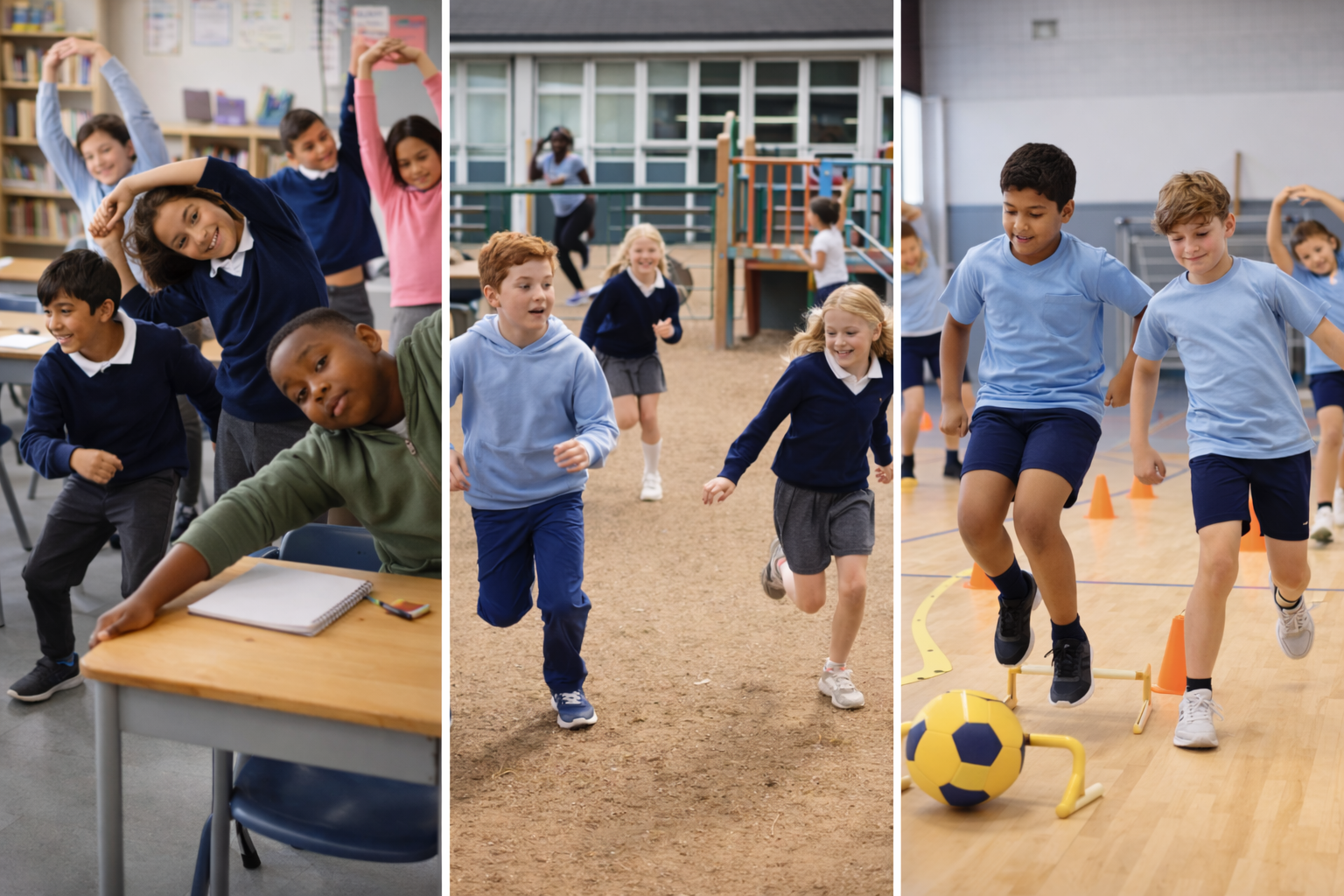
School - the one place almost every child is
and early habits are formed

How routines actually stick
We use a simple behaviour lens: for routines to stick, schools need Opportunity and Capability. Motivation tends to follow once quick wins become habit.
Opportunity - make it doable in real schools
Create the conditions and reduce the friction
Capability - build confidence over time
Once some routine is in, help staff feel more confident delivering it well
Motivation - let success do the work
Motivation grows when schools can feel the difference
This is how funding translates into real-world adoption - not just access.
..and this is where we saw the real gap:
Even when the approach is right, access to the best tools isn’t equal.
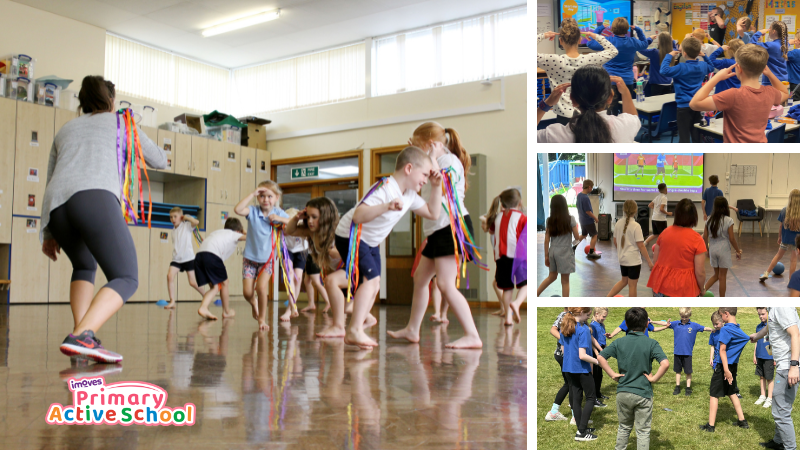
The moment it clicked
We saw something else happening too. Proven, classroom-ready tools already exist - the kind teachers actually use because they fit real constraints.
One example is a Sheffield-based platform called imoves. It wasn’t theoretical. It was already working in schools, helping teachers build daily movement into normal routines.
But it was hitting a barrier that had nothing to do with quality or impact: money. Schools value movement, but budgets are tight and procurement is hard.
So the frustrating truth was this: solutions exist - but access to them is uneven. And when access depends on budgets, the children who need support most are often the first to miss out.
That’s when Every Child Active clicked into place.
Not “let’s create another programme.”
But: let’s remove the barriers that stop proven tools being used every day — free at the point of use.
-
Vision
A world where daily movement is built into every child’s day - not left to chance, postcode, or family circumstance.
-
Mission
Every Child Active exists to remove the cost and confidence barriers that stop schools and other hubs using proven, ready-to-use movement tools. We fund free access, support everyday use, and help embed movement into normal routines - so impact reaches the children who need it most.
-
What We Believe
Free at the point of use: if access depends on budgets, inequality grows.
Start where the reach is: schools are the fastest, fairest route to every child - with scope to extend into other settings over time.
Consistency beats intensity: small daily habits create lasting change.
Tools over initiatives: practical, low-prep resources that fit real life.
Back what works: we don’t design programmes - we unlock proven solutions.
Trust first: independent governance, clear separation from delivery partners, decisions made for public benefit.
Meet our Advisors
-

Craig Jones
Director
Craig Jones has over 30 years’ experience across education, sport, health, fitness and childcare. A shareholder and board member of Junior Adventures Group UK, he also advises the DfE on wraparound childcare and chairs ukactive’s Children & Young People forum. He brings strong sector knowledge, leadership experience and a passion for increasing children’s activity.
-

Ian Pickles
Director
Ian Pickles is co-founder of imoves and Director of Every Child Active CIC. With 25 years’ experience in strategy, consultancy and business development, his mission is to help deliver billions more minutes of movement for children by making it easier for schools, communities and the adults around them to make activity part of everyday life
-

Andrew Denton
Chair of Advisors
Andrew has spent most of his working life in the outdoor and activity world, including founding and leading major brands and now serving as CEO of the Outdoor Industries Association. He cares deeply about giving more children the chance to build confidence through being active , not as a “one-off” , but as part of normal life, and he brings a strong network across the sector to help Every Child Active scale what works.
-

Sherilyn Paterson
Advisor
Sherilyn brings years of operational leadership from the retail sector, including 12 years at JD Sports where she served as Chief Operating Officer. She’s spent her career making big, complex organisations work well for real people, and she’s passionate about using that experience to help children who are most likely to miss out get access to everyday movement and wellbeing support
-

Charlotte Cox
Advisor
Charlotte Cox is a values-driven sports industry leader with over 20 years’ experience across commercial, marketing, product and international business development. She has held senior roles with Pentland Brands; Canterbury, Mitre and Speedo; and brings strong industry networks, strategic expertise and a deep commitment to using sport to improve children’s lives.
“We’re backing the unglamorous part of change - so it happens every day.”
-

How we decide what to fund
We back proven, scalable tools that are easy to adopt in real-world settings and most likely to reach the least active children. We prioritise solutions that reduce barriers for the adults around children - teachers, leaders, community providers and families - and we fund access so cost doesn’t decide who benefits.
- Evidence-informed and already working in practice
- Low burden to adopt (fits normal routines)
- Clear pathway to scale and sustainability
- Equity-first: designed to reach those most likely to miss out
- Transparent reporting on reach and engagement
-

Safeguards that protect public benefit
- Trustee-led decisions and clear separation from delivery partners
- Ethical partner criteria and the ability to decline misaligned funding
- Transparent reporting and learning over time
-
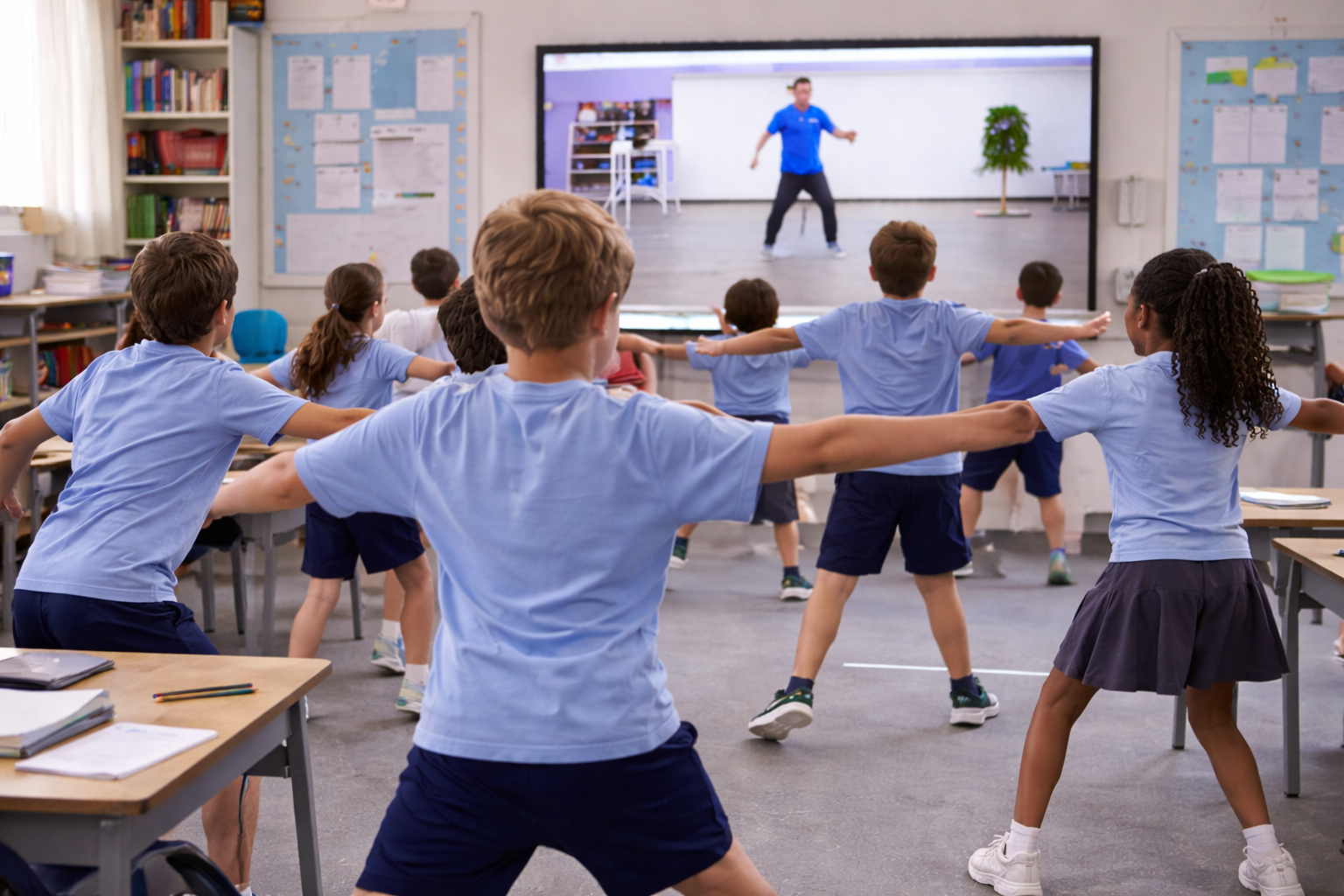
What we’re funding first
We’re starting with classroom-ready tools because schools offer the fastest, fairest reach. Our first supported project is imoves - and we’re actively exploring other scalable solutions that can help routines stick at scale.